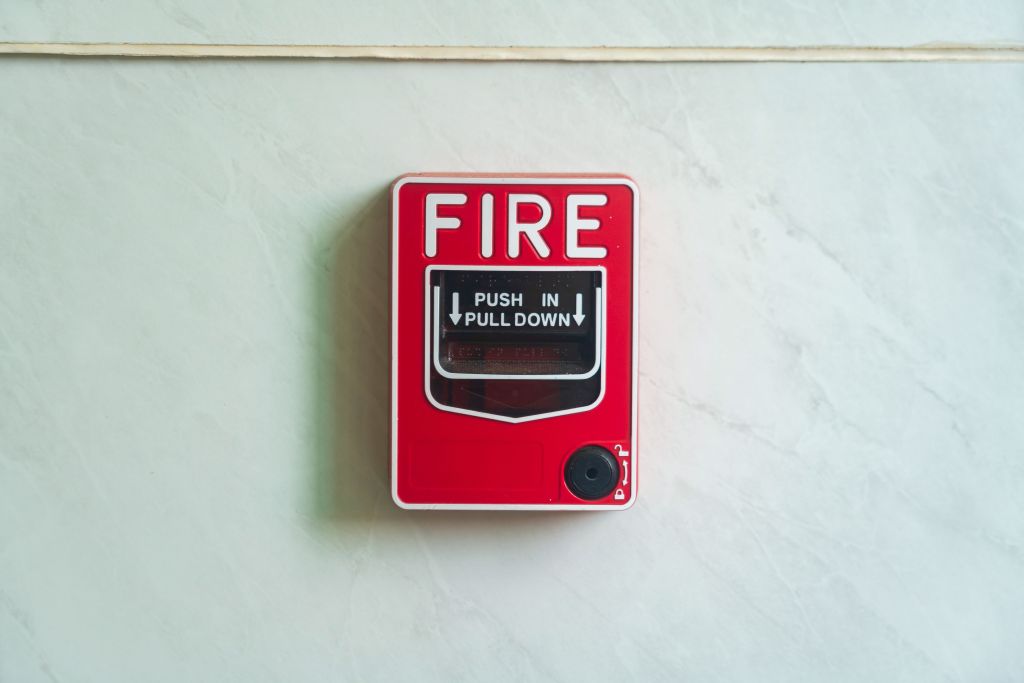

A fire alarm is only one part of a building’s emergency response. What happens after it activates matters just as much.
Facility managers often focus on equipment checks, inspection schedules, and compliance documents. These are important, but they do not guarantee that a building is ready for an emergency. People must receive warnings, understand what to do, and have safe routes out of the building.
What a Fire Alarm System Actually Does
A fire alarm system detects signs of fire and alerts people who may be affected. Depending on the design, it can use smoke detectors, heat detectors, manual call points, sounders, and visual warning devices.
The system should suit the building’s layout and occupancy. A small office has different requirements from a high-rise hotel or a busy commercial facility. Ceiling height, room use, background noise, and evacuation routes can all affect system design.
Facility managers should understand the difference between detection and response. A detector may identify smoke, but people still need a clear warning. Staff also need procedures for confirming the alarm, contacting emergency responders, and helping occupants evacuate.
What Happens When the Alarm Activates?
An alarm should trigger a planned response, not confusion. Depending on the approved design, the system may activate warning devices, send signals to a monitoring point, or interact with other building systems.
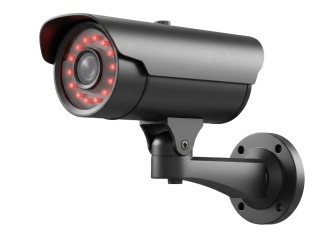
Some buildings connect fire alarms with door releases, lifts, ventilation controls, and building management systems. These functions must follow the approved fire strategy. Not every door should unlock in the same way, and lifts should not operate as normal during a fire.
Integration also needs testing. A connection between two systems does not prove that they will respond correctly during an emergency. Facility teams should confirm the expected sequence with qualified fire safety professionals.
Common Gaps to Look For
One common mistake is treating installation as the end of the project. Dust, renovations, damaged devices, and changes in room use can affect performance. A system that worked during commissioning may not remain reliable without maintenance.
Another issue is unclear responsibility. Staff should know who investigates alarms, who contacts emergency services, and who coordinates evacuation. Contractors and temporary workers may also need clear instructions.
Evacuation routes must remain accessible. Storage, locked doors, or temporary construction barriers can create serious problems. Emergency lighting and exit signage also need regular inspection.
A Practical Checklist for Facility Managers
- Review the fire alarm system’s inspection and maintenance records.
- Confirm that staff understand the evacuation procedure and know where to assemble.
- Check whether recent renovations changed room layouts or evacuation routes.
- Schedule tests with qualified personnel and document the results.
- Record faults, corrective actions, and outstanding issues. Do not leave recurring alarms unresolved because they seem inconvenient.
- Finally, conduct evacuation drills appropriate to the building and its occupants. A written plan is useful only when people know how to follow it.
Making Fire Safety Part of Daily Operations
Fire safety works best when equipment, procedures, and people support one another. A reliable fire alarm system provides early warning, but training and maintenance turn that warning into an effective response.
The key question is simple: if the alarm activates today, does everyone know what happens next? Facility managers who can answer that question clearly are better prepared to protect occupants and maintain safer buildings.